In a world increasingly focused on wholesome, natural eating, the contents of our pantry staples deserve a closer look. While convenience often dictates our choices, especially for time-savers like stock or bouillon, many store-bought options are laden with questionable ingredients. Enter homemade vegetable bouillon cubes and powder: a game-changer for any home cook seeking healthier, more flavorful, and truly natural alternatives. This isn't just about saving a few dollars; it's about reclaiming control over what goes into your food, ensuring every spoonful is packed with pure, unadulterated goodness.
For years, commercial bouillon cubes and concentrated stocks have been kitchen mainstays, promising a quick burst of flavor. However, a quick glance at their ingredient list often reveals a concoction of highly processed components: excessive sodium, artificial flavor enhancers like MSG, hydrogenated oils, and preservatives. But what if you could achieve that same depth of flavor, or even surpass it, using only fresh, real vegetables and herbs? This comprehensive guide will show you how to do just that, offering a superior alternative that is naturally gluten-free, vegan, and free from thickeners, preservatives, and MSG. Whether you opt for convenient frozen cubes or shelf-stable powder, embracing homemade bouillon is a simple yet impactful step towards healthier cooking.
Why Go Homemade? Unpacking the Benefits of DIY Bouillon
The decision to make your own vegetable bouillon isn't just a culinary endeavor; it's a commitment to better health, smarter budgeting, and unparalleled flavor customization. The advantages of creating your own homemade vegetable bouillon cubes and powder are vast and compelling, setting them worlds apart from their store-bought counterparts.
Health and Ingredient Control: A Clean Label Promise
- No MSG or Artificial Flavor Enhancers: One of the most significant benefits is eliminating monosodium glutamate (MSG) and other 'flavor enhancers' often found in commercial products. While MSG is approved by food safety authorities, many individuals report sensitivities to it. Homemade bouillon derives its rich taste purely from the slow-cooked concentration of fresh vegetables and herbs, offering a clean, authentic flavor profile without any controversy.
- Zero Preservatives and Thickeners: Store-bought bouillon often contains artificial preservatives to extend shelf life and various thickeners to improve texture. Your homemade version, however, relies on natural preservation methods like freezing or dehydration, ensuring that every ingredient serves a purpose related to flavor or nutrition, not artificial longevity.
- Manageable Sodium Levels: Commercial bouillons are notorious for their sky-high sodium content, which can be detrimental for those monitoring their blood pressure or simply trying to reduce salt intake. Crafting your own allows you to precisely control the amount of salt, tailoring it to your dietary needs and personal preference. You can even make a low-sodium version and add salt to individual dishes as desired.
- Naturally Gluten-Free and Vegan: By default, homemade vegetable bouillon is free from animal products and gluten-containing ingredients, making it an ideal choice for specific dietary requirements without the need to scrutinize labels. It's truly an all-natural, plant-based power source.
- Nutrient-Dense: Unlike highly processed commercial stocks that can lose nutrients during manufacturing, your homemade bouillon captures the vitamins, minerals, and phytonutrients from fresh vegetables, adding a healthful boost to your meals.
Budget-Friendly and Sustainable Practices
Making your own bouillon is incredibly economical. A single batch, prepared largely from pantry basics and inexpensive vegetables like carrots, celery, and onions, can last for months. Even better, it’s an excellent way to utilize vegetable scraps—think onion skins, carrot tops, and herb stems—that might otherwise be discarded, promoting a zero-waste kitchen. This resourcefulness makes it an incredibly sustainable and smart choice for the mindful cook. For more insights on maximizing your kitchen resources, explore how making your own bouillon can be a Budget-Friendly Veggie Bouillon: Customizable & Space-Saving Flavor.
Unrivaled Customization and Space-Saving Solutions
The beauty of homemade bouillon lies in its versatility. You can tailor the flavor profile to your liking, experimenting with different herbs, spices, and seasonal vegetables. Want an Italian-inspired base? Add more basil and oregano. Craving an Asian touch? A hint of ginger and star anise can transform it. This adaptability means your bouillon can be a neutral enhancer for all sorts of dishes or a specific flavor base for particular cuisines.
Furthermore, concentrated homemade vegetable bouillon cubes and powder are space-savers. Unlike bulky cartons of liquid stock that hog precious refrigerator or freezer space, these compact forms are perfect for smaller kitchens. Cubes fit neatly into freezer bags, and powder can be stored in an airtight jar in your pantry, ready whenever inspiration strikes.
Demystifying Bouillon: What Are You Actually Eating?
Before diving into the creation process, it's helpful to understand the stark contrast between what you find on store shelves and what you can create in your kitchen. This clarity underscores the value of going homemade.
The Contents of Commercial Bouillon
Commercial bouillon, often labeled as stock cubes, broth cubes, or stockpots, is essentially a dehydrated, concentrated broth. While convenient, these products frequently contain a list of ingredients that many health-conscious consumers prefer to avoid:
- MSG (Monosodium Glutamate): An additive used to enhance savory flavors, often listed as 'flavor enhancers' or sometimes disguised under names like 'yeast extract' or 'hydrolyzed vegetable protein.'
- High Sodium: Often the primary ingredient after water, contributing significantly to daily sodium intake.
- Hydrogenated Oils: Such as palm oil, used for texture and shelf stability, but can contain unhealthy trans fats.
- Sugar and Caramel Coloring: Added for taste and visual appeal, often unnecessarily.
- Anti-caking Agents and Thickeners: To prevent clumping and improve consistency.
These 'nasties' contribute little to nutritional value and can detract from the natural flavors of your dish. They are designed for mass production and shelf life, not for peak health or taste.
The Purity of Homemade Bouillon
In contrast, homemade vegetable bouillon cubes and powder are built on a foundation of wholesome, identifiable ingredients:
- Fresh Vegetables: Carrots, celery, onions, potatoes, zucchini, leeks, bell peppers, mushrooms—the options are endless. These provide natural sweetness, depth, and umami.
- Aromatics and Herbs: Garlic, parsley, thyme, bay leaves, rosemary, sage. These infuse the bouillon with fragrant, complex notes.
- Quality Oil: A neutral oil like olive oil helps carry flavors and provides a smooth texture, without the hydrogenated fats.
- Salt: Essential for both flavor development and as a natural preservative, but entirely adjustable to your preference.
This transparent ingredient list means you're providing your body with pure, unadulterated nourishment and elevating your culinary creations with genuine, rich flavors.
Crafting Your Own Concentrated Flavor: The Homemade Process
Making your own homemade vegetable bouillon cubes and powder is surprisingly straightforward and incredibly rewarding. The core process involves simmering vegetables, blending them, and then preserving the concentrated mixture.
Essential Ingredients for Your Bouillon Base
While customization is key, a classic base will always serve you well. Here are the foundational elements:
- Vegetables: Aim for a balanced mix. Common choices include onions, carrots, celery (the "holy trinity"), potatoes, zucchini, and bell peppers. Potatoes add body, zucchini contributes moisture, and carrots offer natural sweetness. Don't be afraid to use vegetable scraps, as mentioned earlier, for an even more budget-friendly approach.
- Aromatics: Garlic is a must for its pungent depth. Fresh parsley, thyme, and bay leaves are excellent additions for herbaceous notes.
- Fat: Olive oil is a popular choice for its flavor and health benefits. Any neutral oil will work, helping to sauté the vegetables and carry the flavors.
- Salt: Essential for flavor balance and its role as a natural preservative. While it might seem like a lot is added, remember this is a concentrated product. You can always adjust the salt content when using the bouillon in your final dish.
Optional Add-ins and Flavor Customization
This is where you can truly make the bouillon your own:
- Other Vegetables: Leeks, mushrooms (for umami), sweet potatoes, or even a spoonful of tomato paste for richer color and depth.
- Spices: Turmeric for vibrant color and anti-inflammatory properties, black pepper, smoked paprika for a hint of smokiness, or nutritional yeast for a cheesy, umami boost.
- Umami Boosters: A strip of kombu seaweed (remove after simmering) for a deeper savory profile, especially for a vegan bouillon.
The Simple Steps to Homemade Bouillon
- Chop & Sauté: Roughly chop all your chosen vegetables and aromatics. Sauté them gently in olive oil in a large pot until softened and fragrant. This step helps to deepen their flavors.
- Simmer: Add a small amount of water (just enough to cover the veggies) and simmer until the vegetables are very tender. This concentrates their essences.
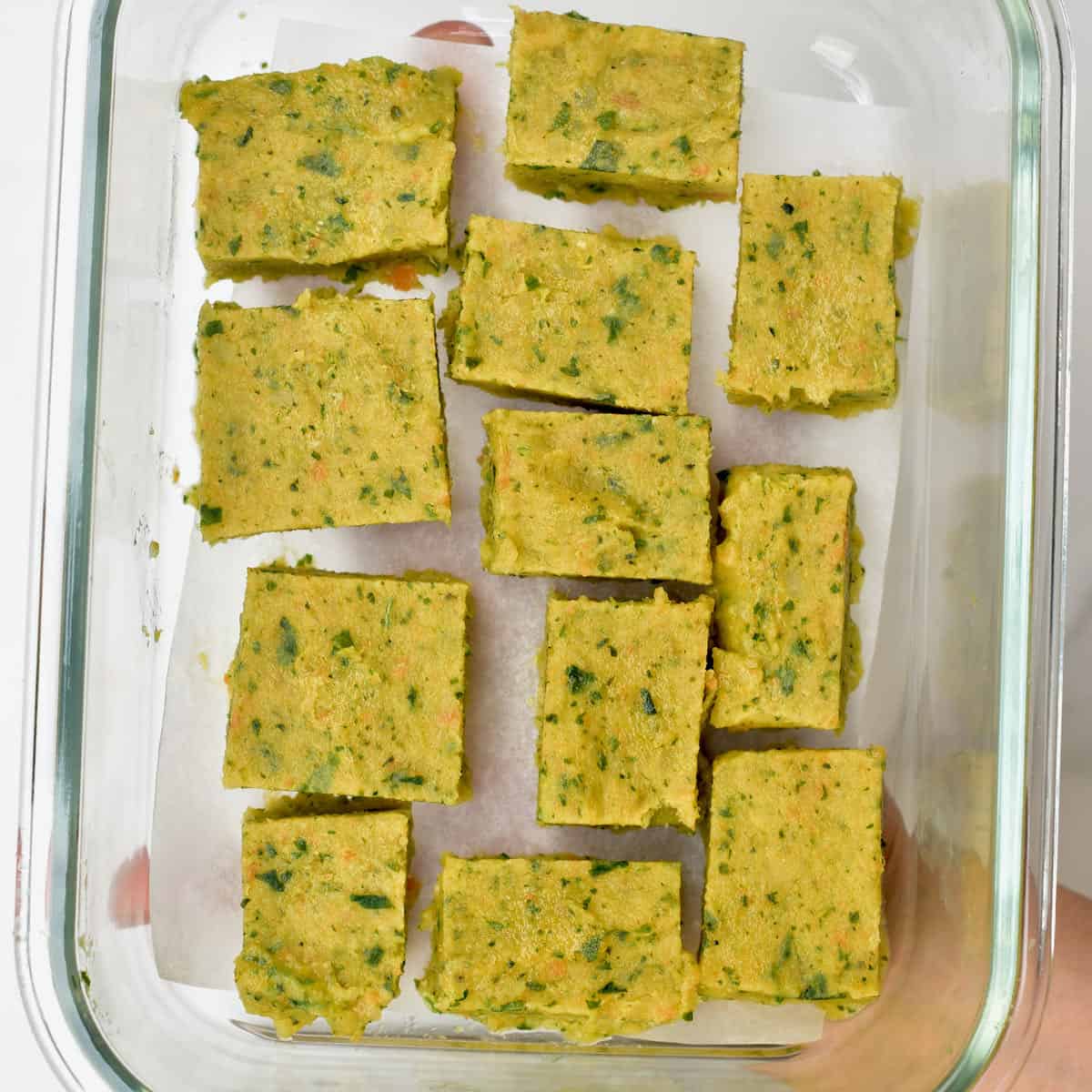
- Blend: Let the mixture cool slightly, then transfer it to a high-speed blender or food processor. Blend until you achieve a super smooth, uniform paste. This is the concentrated goodness.
- Preserve & Store: This is where you choose your preferred form:
- For Cubes: Spoon the paste into ice cube trays. Freeze until solid, then transfer the frozen cubes to an airtight freezer bag or container. These will keep for several months.
- For Powder: Spread the paste thinly onto parchment-lined dehydrator trays or baking sheets. Dehydrate in a dehydrator or a low oven (around 150-170°F / 65-75°C) for several hours until completely dry and crumbly. Once fully dry, blend the brittle pieces into a fine powder. Store in an airtight jar in a cool, dark pantry. This powder can last for over six months.
For a detailed breakdown of the creation process and to ensure your bouillon is truly natural and free from unwanted additives, dive into our guide: DIY Vegetable Bouillon Cubes & Powder: All-Natural & MSG-Free.
Practical Tips for Success
- Don't Rush the Drying: For bouillon powder, ensuring the paste is completely dry is crucial for preventing mold and extending shelf life. It should snap and crumble easily.
- Adjust Salt Gradually: If you're concerned about sodium, start with a smaller amount of salt and taste. You can always add more to your dishes later.
- High-Speed Blender is Key: A powerful blender will yield the smoothest paste, which is ideal for both cubes and powder.
- Clean Your Veggies: Thoroughly wash all vegetables, especially if using skins, to remove any dirt or impurities.
Beyond Soups: Unleashing the Versatility of Homemade Bouillon
While bouillon is synonymous with soups and stews, the concentrated flavor of your homemade creation extends its utility far beyond the broth pot. Once you have a stash of homemade vegetable bouillon cubes and powder, you'll find countless ways to elevate your everyday cooking.
Everyday Culinary Uses
- Soups and Stews: The most obvious application. Simply dissolve a cube or a teaspoon of powder in hot water to create an instant, flavorful broth base.
- Grains and Pilafs: Use reconstituted bouillon instead of water when cooking rice, quinoa, couscous, or farro. It infuses every grain with deep, savory flavor, making even simple side dishes sing.
- Sauces and Gravies: A spoonful of bouillon powder or a melted cube can add incredible depth to pan sauces, gravies, or even homemade salad dressings.
- Roasting Vegetables: Toss vegetables with a sprinkle of bouillon powder and olive oil before roasting for an extra layer of savory goodness.
- Marinades and Rubs: Incorporate bouillon powder into dry rubs for tofu, tempeh, or vegetables, or dissolve it into liquid marinades for an umami-rich boost.
- Stir-fries: A pinch of powder can enhance the overall flavor profile of your stir-fry sauces.
- Bean and Lentil Dishes: Add to simmering beans or lentils for a more robust and flavorful outcome.
- Flavoring for Scrambles or Tofu: Mix a bit of powder into egg scrambles or tofu scrambles for added savory notes.
How to Use Your Homemade Bouillon
The usage is incredibly flexible:
- Reconstituting Broth: For a general broth, a good starting point is one cube or 1-2 teaspoons of powder per cup (240ml) of hot water. Adjust to your taste preference.
- Adding Directly: For dishes with existing moisture, you can often add a cube or a pinch of powder directly during cooking, allowing it to dissolve and meld with the other ingredients. This is particularly effective for stews, curries, or risottos.
- Adjusting Intensity: Remember that your homemade bouillon is concentrated. Start with a smaller amount and add more if needed, especially when using it for the first time in a new recipe.
By keeping a supply of homemade vegetable bouillon on hand, you’re not just stocking your pantry; you’re equipping your kitchen with a secret weapon for effortlessly delicious, healthier, and more vibrant meals.
Conclusion
Embracing the world of homemade vegetable bouillon cubes and powder is more than just a culinary hack; it's a significant step towards healthier, more sustainable, and infinitely more flavorful cooking. By choosing to make your own, you banish the dubious additives, excessive sodium, and artificial flavors found in store-bought options, replacing them with the pure, concentrated essence of fresh, wholesome ingredients.
This simple yet profound shift grants you unparalleled control over what nourishes your body, opens up a world of flavor customization, and proves to be incredibly budget-friendly. Whether you opt for the convenience of frozen cubes or the pantry-stable powder, you'll always have a versatile, nutrient-rich flavor enhancer at your fingertips. So, take the leap, experiment with your favorite vegetables and herbs, and discover the truly transformative power of homemade bouillon. Your taste buds, your health, and your wallet will thank you.
