DIY Vegetable Bouillon Cubes & Powder: All-Natural & MSG-Free
Imagine a kitchen where every dish bursts with authentic, wholesome flavor, unmarred by artificial additives or mystery ingredients. This dream is entirely achievable with a simple, yet incredibly powerful, culinary secret: making your own homemade vegetable bouillon cubes and powder. Ditching the store-bought options, often laden with MSG, hydrogenated oils, and excessive salt, for an all-natural, homemade alternative is a game-changer for any health-conscious cook.
For years, many of us have relied on pre-made stock or bouillon products to add depth to our soups, stews, and sauces. While convenient, these often come with a hidden cost in terms of ingredient quality. This article will guide you through creating your own vibrant, concentrated vegetable bouillon – a true kitchen staple that offers superior taste, nutritional integrity, and remarkable versatility. Whether you prefer the convenience of frozen cubes or the shelf-stability of a powdered blend, you'll discover how to easily transform fresh vegetables and herbs into a concentrated flavor enhancer that's naturally gluten-free, vegan, and completely free of thickeners, preservatives, and MSG. Plus, it takes up significantly less space than traditional liquid stock, making it perfect for even the most compact kitchens.
Why Choose Homemade Vegetable Bouillon? Unmasking Store-Bought Alternatives
The allure of convenience often leads us to grab a package of bouillon cubes or powder from the supermarket shelf. However, a quick glance at the ingredient list of many commercial products reveals a less-than-appetizing truth. These items frequently contain a slew of highly processed ingredients, including:
- Monosodium Glutamate (MSG): A controversial flavor enhancer that, while safe for most, many people prefer to avoid due to perceived sensitivities or simply a preference for whole, unprocessed foods.
- Hydrogenated Palm Oil: A source of unhealthy trans fats, often used for shelf stability and texture.
- Artificial 'Flavor Enhancers': Vague terms that can hide a variety of chemical additives designed to mimic natural flavors.
- Excessive Sodium: Store-bought bouillons are notoriously high in salt, making it difficult to control the sodium content of your dishes.
- Sugars and Caramel Coloring: Often added for appearance and a subtle sweetness that might not align with your culinary goals.
By learning how to make homemade vegetable bouillon cubes and powder, you reclaim control over what goes into your food. You move from relying on artificial 'flavorings' and just salt to creating a rich, authentic taste derived solely from real vegetables and herbs. This homemade approach ensures every spoonful delivers genuine depths of flavor, not just a chemical trick. Beyond the ingredient purity, there are numerous other benefits:
- Healthier Choice: As discussed in our related article, Homemade Vegetable Bouillon: Healthier Than Store-Bought Stock, your homemade version is naturally gluten-free, vegan, and free from common allergens and undesirable additives.
- Budget-Friendly: A single batch, made from relatively inexpensive and often seasonal vegetables, can last for months, offering significant savings compared to continually buying store-bought alternatives.
- Customization: You can tailor the flavor profile to your exact preferences, experimenting with different vegetables and spices.
- Space-Saving: Whether frozen into concentrated cubes or dehydrated into a compact powder, homemade bouillon takes up far less storage space than bulky cartons of liquid stock.
Crafting Your Flavor Foundation: Essential Ingredients for Homemade Vegetable Bouillon
Creating your own delicious homemade vegetable bouillon begins with a thoughtful selection of fresh ingredients. The beauty of this recipe lies in its flexibility – while we provide a fantastic foundational list, you're encouraged to experiment with what's in season or what you have on hand. There are four main elements that contribute to a balanced and flavorful bouillon:
- The Vegetables (The Core): These form the bulk and fundamental flavor of your bouillon.
- Onion & Garlic: Non-negotiables for their foundational aromatic depth.
- Carrots: Provide sweetness and a vibrant color.
- Celery: Adds a savory, slightly peppery note that is characteristic of good stock.
- Potatoes: Contribute body and a natural starchiness that helps bind the paste.
- Zucchini: Adds moisture and a mild, earthy flavor.
- Other Great Options: Don't hesitate to include bell peppers, leeks, parsnips, mushrooms (for umami!), or even a small amount of sweet potato for added richness. This is also a fantastic way to use up vegetable scraps like carrot peels or onion ends (ensure they are thoroughly washed).
- The Aromatics & Herbs (The Spice of Life): These elevate the base vegetable flavors.
- Fresh Parsley: A classic herb that adds freshness and a subtle green note.
- Bay Leaves: Essential for a classic stock flavor, providing a deep, slightly peppery aroma.
- Thyme & Rosemary: Woody herbs that contribute earthy, pungent notes.
- Nutritional Yeast: A fantastic optional add-in for a cheesy, umami depth, especially valuable for a vegan bouillon.
- Spices: Consider a pinch of black pepper, turmeric (for color and mild earthy notes), or even a touch of smoked paprika for a smoky twist.
- The Fat (The Flavor Carrier): A small amount of oil helps carry flavors and adds richness.
- Olive Oil: My preferred choice for its healthy fats and subtle fruity notes.
- Neutral Oils: Avocado oil, grapeseed oil, or sunflower oil are also excellent options if you prefer a less pronounced flavor.
- The Salt (The Preserver & Enhancer): Crucial for both flavor development and as a natural preservative.
- You might feel like you're adding a generous amount, but remember this is a highly concentrated product designed to be diluted.
- Use high-quality sea salt or Himalayan pink salt.
- You can always adjust the salt content to your personal preference, but ensuring sufficient salt is key for the bouillon's longevity.
From Garden to Jar: Step-by-Step Guide to Making Homemade Vegetable Bouillon Cubes and Powder
The process of transforming your fresh produce into concentrated homemade vegetable bouillon cubes and powder is surprisingly straightforward. It involves a few key stages: simmering, blending, and then either freezing or dehydrating.
Step-by-Step Instructions:
- Prepare Your Veggies: Wash all your chosen vegetables thoroughly. There's no need for precise chopping as everything will be blended later, but aim for roughly uniform pieces to ensure even cooking.
- Sauté & Simmer:
- In a large pot or Dutch oven, add your chosen oil. Sauté the harder vegetables (like onions, carrots, celery) first until they start to soften and become fragrant. Add garlic and other softer vegetables (zucchini, potatoes) and continue to cook for a few more minutes.
- Add your herbs, spices, and salt. Stir well to combine.
- Pour in just enough water to barely cover the vegetables. The goal is to create a highly concentrated mixture, so avoid excessive liquid.
- Bring the mixture to a gentle boil, then reduce heat, cover, and simmer for 45-60 minutes, or until all vegetables are incredibly tender and most of the liquid has evaporated, leaving behind a thick, concentrated stew. Stir occasionally to prevent sticking.
- Blend to Perfection:
- Remove the pot from the heat and allow the mixture to cool slightly.
- Carefully transfer the cooked vegetable mixture to a high-speed blender or food processor. Alternatively, use an immersion blender directly in the pot.
- Process until you achieve a perfectly smooth, thick paste. If it's too dry to blend, add a tiny splash of water (no more than a tablespoon at a time) until it moves freely. If it's too watery, return it to the pot and simmer uncovered for a few more minutes to reduce.
- Choose Your Storage Method: Cubes or Powder
For Homemade Vegetable Bouillon Cubes (Frozen Method):
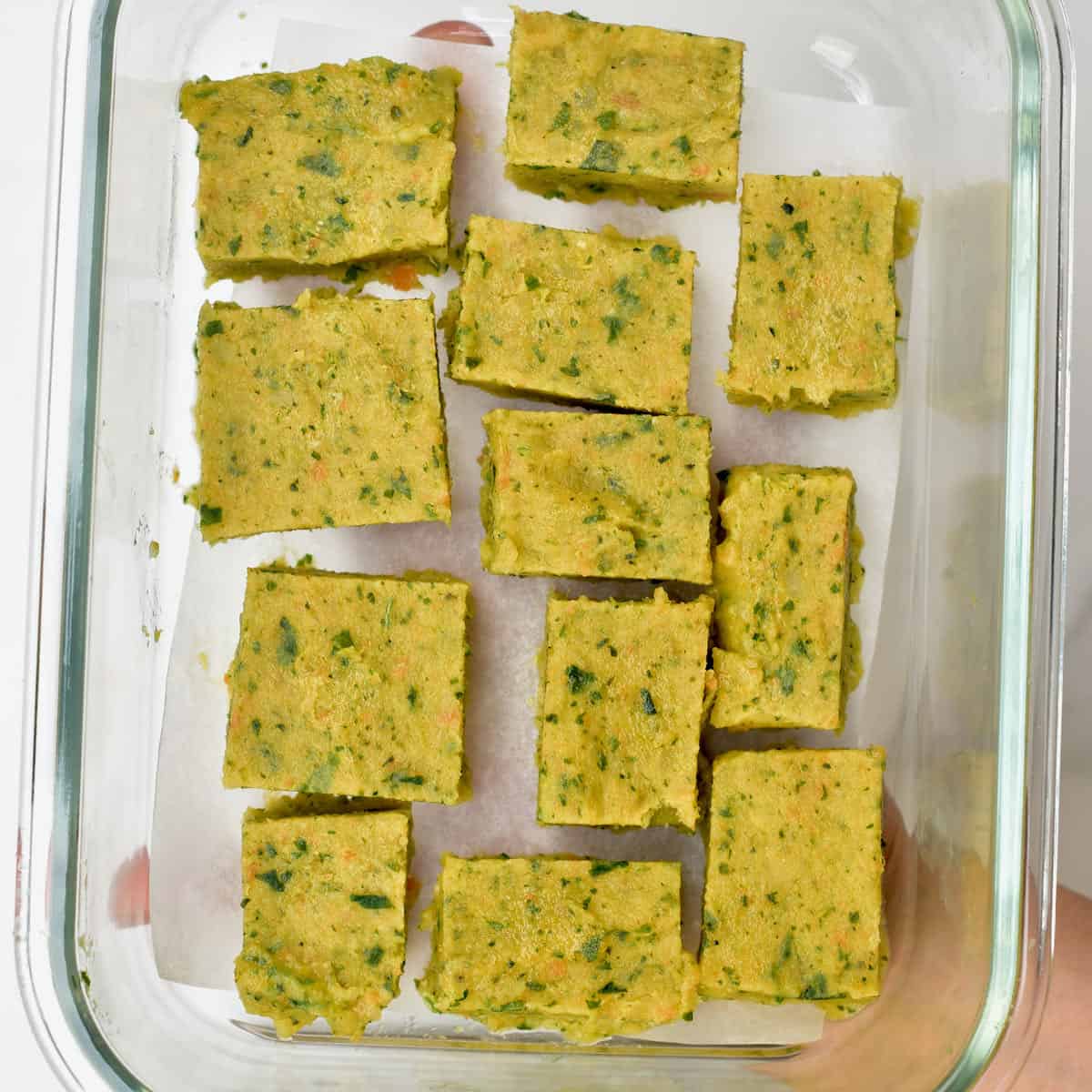
- Once your paste is blended, allow it to cool completely.
- Spoon the paste into ice cube trays. You can use standard ice cube trays for individual servings or larger silicone molds for bigger batches.
- Freeze until solid (typically 4-6 hours or overnight).
- Once frozen, pop the cubes out of the trays and transfer them to freezer-safe bags or airtight containers. Label with the date.
- Storage: These cubes will keep beautifully in the freezer for up to 6 months, ready to be dropped directly into your cooking.
For Homemade Vegetable Bouillon Powder (Dehydrated Method):
- This method yields a shelf-stable powder with an even longer lifespan.
- Spread the cooled bouillon paste very thinly and evenly onto dehydrator trays lined with parchment paper or silicone mats. Alternatively, you can spread it thinly on baking sheets lined with parchment paper.
- Dehydrate:
- In a Dehydrator: Set to 135°F (57°C) and dehydrate for 8-12 hours, or until the paste is completely dry and brittle. It should snap easily and have no moisture.
- In an Oven: Set your oven to the lowest possible temperature (usually around 170-200°F / 75-90°C). Prop the oven door slightly ajar with a wooden spoon to allow moisture to escape. Dehydrate for several hours, flipping occasionally, until completely dry and brittle. This can take longer than a dehydrator.
- Grind to Powder: Once completely dry, break the brittle pieces into smaller chunks. Transfer them to a spice grinder, coffee grinder, or high-speed blender. Process until you achieve a fine, consistent powder.
- Storage: Store the powdered bouillon in an airtight jar in a cool, dark pantry. It can last for up to a year or even longer.
Pro Tip: Ensure your powder is absolutely dry before grinding and storing. Any residual moisture can lead to clumping or spoilage. If you're unsure, spread it out again and dehydrate for another hour or two.
Unleash the Flavor: Versatile Uses for Your Homemade Bouillon
Now that you've mastered the art of creating your own homemade vegetable bouillon cubes and powder, it's time to put your culinary creation to work! Its concentrated nature and pure flavor make it an incredibly versatile ingredient that can elevate nearly any savory dish. Think of it as your secret weapon for adding depth and umami without the need for additional salt or artificial flavors.
Here are just a few ways to integrate your delicious homemade bouillon into your everyday cooking:
- The Foundation for Soups and Stews: This is the most obvious, yet most satisfying, use. Simply dissolve a cube in hot water to create a rich, flavorful broth, or add a spoonful of powder directly to your pot as you build your soup or stew.
- Enhance Grains: Cook rice, quinoa, couscous, or pasta in water enhanced with your homemade bouillon. It infuses every grain with savory goodness, making even plain sides irresistible.
- Boost Sauces and Gravies: Whisk in a little bouillon powder or a dissolved cube to deepen the flavor of pan sauces, gravies, or even homemade salad dressings.
- Sautéed Vegetables: Toss fresh vegetables with a sprinkle of bouillon powder before roasting, grilling, or stir-frying for an instant flavor upgrade.
- Marinades and Rubs: Use the powder as a base for dry rubs for tofu or tempeh, or dissolve a cube in liquid to create a flavorful marinade.
- Scrambles and Omelets: A pinch of bouillon powder adds a delightful savory dimension to scrambled eggs, tofu scrambles, or frittatas.
- Risotto and Polenta: Achieve restaurant-quality depth in your creamy risottos and polentas by using homemade bouillon as your liquid base.
- Flavor for Dips and Spreads: Mix a small amount into hummus, guacamole, or other dips for an extra layer of savory flavor.
The beauty of this homemade vegetable bouillon lies in its ability to be both a subtle background flavor and a prominent taste enhancer. Because it's so customizable, you can even create different flavor profiles – perhaps one with more Italian herbs, or another with a hint of smoky paprika – to suit various culinary needs. As we explore in Budget-Friendly Veggie Bouillon: Customizable & Space-Saving Flavor, this homemade staple truly empowers you to experiment and create without compromise.
Conclusion
Embracing the world of homemade vegetable bouillon cubes and powder is more than just a culinary hack; it's a commitment to healthier eating, mindful cooking, and unlocking truly authentic flavors in your kitchen. You gain complete control over ingredients, eliminating unwanted additives while significantly reducing waste and saving money. Whether you opt for the convenience of frozen cubes or the lasting power of dehydrated powder, you're investing in a versatile, delicious, and all-natural ingredient that will elevate every meal. So, gather your fresh vegetables, get creative with your spices, and empower yourself with this essential kitchen staple that promises to bring wholesome, concentrated goodness to every dish you create.
