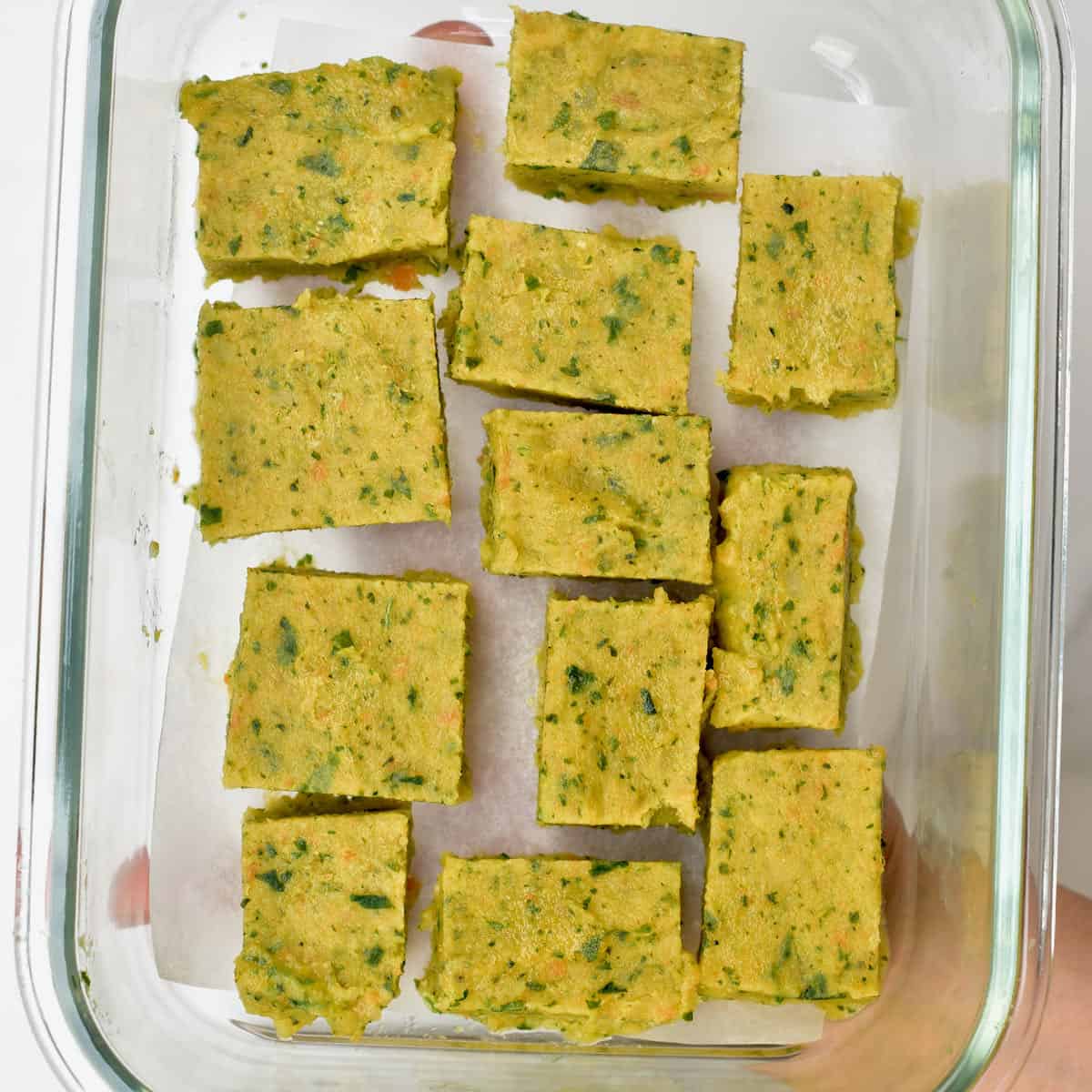
Unlock Culinary Excellence with Homemade Vegetable Bouillon
Are you tired of bland, store-bought broths filled with unpronounceable ingredients, excessive sodium, and questionable additives like MSG? Do you long for deeper, more natural flavors in your cooking without sacrificing valuable freezer space or blowing your grocery budget? It's time to discover the magic of making your own homemade vegetable bouillon cubes and powder!
This isn't just a recipe; it's a culinary revolution for your kitchen. Imagine a concentrated burst of garden-fresh goodness, ready to transform any dish from mundane to magnificent. Best of all, it's incredibly budget-friendly, highly customizable, and ingeniously space-saving – offering a superior alternative to commercial options that often fall short on both health and flavor.
Why Homemade Bouillon is Your Kitchen's New Best Friend
The allure of ready-made stock cubes or broth might be convenience, but that convenience often comes at a steep price – both for your wallet and your health. Learning how to make your own vegetable bouillon paste, cubes, or powder offers a multitude of compelling advantages:
- Uncompromised Health & Purity: Store-bought bouillon often contains hydrogenated oils, artificial flavor enhancers (like MSG), high fructose corn syrup, caramel coloring, and an alarming amount of sodium. By contrast, your homemade version is naturally gluten-free, vegan, and completely free from thickeners, preservatives, or any of those undesirable "nasties." You control every single ingredient, ensuring a clean, wholesome product. For a deeper dive into the health benefits, explore why Homemade Vegetable Bouillon is Healthier Than Store-Bought Stock.
- Budget-Friendly Brilliance: A single batch of homemade bouillon, crafted from low-cost pantry staples and seasonal vegetables, can last for months. It’s an ingenious way to utilize vegetables that are slightly past their prime or to make the most of sale items, significantly cutting down on your grocery bill compared to constantly buying expensive cartons of broth or specialty stock cubes.
- Customization at Your Fingertips: This isn't a one-size-fits-all solution. Your homemade bouillon can be tailored precisely to your taste preferences and the needs of your dishes. Want a neutral base for any recipe? Done. Craving an herbaceous blend for a Mediterranean stew? Easily achievable. The versatility is limitless, allowing you to adapt it based on what's in season or what you have on hand.
- Ingenious Space-Saving Solutions: Regular liquid stock takes up a lot of precious freezer real estate. This concentrated homemade bouillon, whether frozen into compact cubes or dehydrated into a potent powder, occupies significantly less space. This benefit alone makes it a game-changer for smaller kitchens or those who appreciate an organized pantry.
- Deep, Authentic Flavor: Unlike commercial bouillons that rely on "flavorings" and excessive salt, your homemade version derives its rich, complex taste from a bounty of real vegetables and fresh herbs. This provides an unparalleled depth of flavor that elevates any meal, truly enhancing your cooking rather than just adding salt. Discover more about crafting pure, unadulterated flavor with DIY Vegetable Bouillon Cubes & Powder: All-Natural & MSG-Free.
Crafting Your Customizable Bouillon: Ingredients & Process
Making your own homemade vegetable bouillon cubes and powder is surprisingly straightforward, requiring just a few key components and a simple cooking process. The beauty lies in its adaptability – consider these guidelines a starting point for your culinary creativity.
The Core Ingredients: Building Your Flavor Foundation
Every great bouillon begins with a balanced blend of vegetables, aromatics, fat, and salt. Here’s a breakdown of what you’ll need:
- Vegetables: These form the bulk and fundamental flavor of your bouillon. Classic choices include carrots, celery, and onions (the "holy trinity" of flavor in many cuisines). Expand on this with potatoes for body and starch, zucchini for moisture, parsnips for sweetness, or even bell peppers for a subtle fruitiness. Don't shy away from using vegetable scraps like onion peels, carrot tops (if organic), or celery ends – it's a fantastic way to reduce food waste!
- Aromatics & Herbs: These are the soul of your bouillon, adding complexity and depth. Garlic is a non-negotiable for most savory dishes. Fresh parsley provides a bright, herbaceous note. Beyond that, consider thyme, rosemary, bay leaves, sage, or even a touch of ginger for an Asian-inspired twist. Dried herbs can also be used, but fresh often offers a more vibrant flavor.
- Fat: A neutral oil, like olive oil, avocado oil, or grapeseed oil, is crucial for sautéing your vegetables, helping to extract and carry their fat-soluble flavors. It also contributes to the smooth texture of the final paste and can act as a natural preservative.
- Salt: While it might seem like a lot, salt plays a vital role in both flavor enhancement and preservation. It helps draw out moisture from the vegetables during cooking and acts as a natural inhibitor for spoilage. You can always adjust the amount to your personal preference, keeping in mind that the bouillon is highly concentrated and will be diluted later.
Optional Add-Ins for Enhanced Flavor Profiles
This is where the customization truly shines:
- Umami Boosters: A handful of dried mushrooms (like shiitake or porcini) or a tablespoon of nutritional yeast can add incredible savory depth, mimicking the umami found in meat-based broths.
- Spices: Beyond herbs, consider a pinch of black pepper, turmeric for color and its anti-inflammatory properties, smoked paprika for a smoky note, or even a tiny amount of dried chili flakes for a subtle kick.
- Acid: A splash of apple cider vinegar or a squeeze of lemon juice towards the end can brighten flavors and provide balance.
The Simple Steps to Bouillon Perfection
- Chop & Sauté: Roughly chop all your chosen vegetables and aromatics. Sauté them in your chosen oil in a large pot or Dutch oven until softened and slightly caramelized. This step is crucial for developing deep flavors.
- Simmer & Concentrate: Add a minimal amount of water (just enough to prevent burning) and your salt, then simmer the mixture gently until the vegetables are very tender and the liquid has significantly reduced and concentrated. This is where the magic of "bouillon" happens – transforming simple vegetables into a potent flavor base.
- Blend to Perfection: Transfer the cooked mixture to a high-speed blender or food processor. Blend until you achieve a smooth, uniform paste. Add a tiny bit more water if needed to get the blades moving, but aim for a thick, concentrated consistency.
Storage Solutions: Cubes vs. Powder for Maximum Space-Saving
Once you have your vibrant vegetable paste, you have two primary options for long-term, space-saving storage:
1. Frozen Bouillon Cubes: Convenient & Ready-to-Use
This method is fantastic for those who appreciate the convenience of pre-portioned servings. The concentrated paste can be spooned into ice cube trays and frozen solid. Once frozen, pop them out and transfer them to a freezer-safe bag or container. This prevents freezer burn and makes them easy to grab whenever needed.
- Pros: Quick to make from the paste, easy to portion, no special equipment needed beyond ice cube trays.
- Cons: Requires freezer space (though much less than liquid stock), might freezer burn if not stored properly.
- Usage: Drop a cube directly into boiling water for instant broth, add to soups, stews, sauces, or even rice while cooking.
2. Dehydrated Bouillon Powder: The Ultimate Space-Saver
For the ultimate in pantry organization and space efficiency, transforming your paste into a powder is the way to go. This involves dehydrating the blended paste until it's completely dry and then grinding it into a fine powder. This method offers unparalleled shelf stability.
- Process: Spread the bouillon paste thinly on parchment-lined baking sheets or dehydrator trays. Dehydrate in a food dehydrator or a low oven (around 150-200°F / 65-95°C) for several hours, or until the paste is completely brittle and snaps when bent. Once dry, break it into pieces and grind it into a fine powder using a spice grinder, coffee grinder, or high-speed blender.
- Pros: Requires minimal storage space (a small jar!), incredibly long shelf life (months, even years, when stored in an airtight container in a cool, dark place), extremely versatile for dry seasoning.
- Cons: Requires a dehydrator or a long oven time; the initial drying process is more time-consuming.
- Usage: Mix with hot water for instant broth (typically 1-2 teaspoons per cup of water), sprinkle directly into stir-fries, marinades, rubs, or as a general savory seasoning for roasted vegetables. Its concentrated flavor means a little goes a long way!
Practical Tips for Bouillon Success
- Don't Waste Scraps: Keep a bag in your freezer for vegetable ends, peels, and wilted greens (excluding brassicas like broccoli or cabbage, which can make the broth bitter). When you have enough, they make an excellent base for your bouillon.
- Taste as You Go: Especially with the salt, start with a reasonable amount and adjust after blending. Remember, it's concentrated, so a little saltiness goes a long way.
- Batch Cook for Convenience: Make a large batch! The initial effort is the same for a small or large quantity, and having a good supply on hand ensures you're always ready for healthy, flavorful cooking.
- Experiment with Roasting: For an even deeper, sweeter flavor profile, try roasting your vegetables before simmering them. This caramelization adds an extra layer of complexity to your bouillon.
- Storage Matters: Whether cubes or powder, ensure airtight storage. Oxygen and moisture are the enemies of freshness and shelf life.
Embrace the Flavorful Revolution
Stepping into the world of homemade vegetable bouillon is more than just learning a new recipe; it's adopting a philosophy of healthier, more mindful cooking. You're taking control of your ingredients, reducing waste, saving money, and infusing every dish with unparalleled depth of flavor. Whether you opt for the convenient frozen cubes or the pantry-friendly powder, you're investing in a culinary tool that will elevate your meals for months to come. So, gather your vegetables, unleash your inner chef, and prepare to be amazed by the delicious, wholesome difference!
